Gingerbread Christmas Painted Wind Spinn Review
As a designer who spends more time staring at stitch simulations than I do sleeping during the holiday rush, I approach every new machine embroidery design with a healthy dose of skepticism. We have all been there: you download a file that looks adorable on the screen, only to watch it turn into a puckered mess of thread breaks and registration errors once it hits the hoop. That is why I took a close look at the Gingerbread Christmas Painted Wind Spinn before committing it to any client projects or personal handmade products. This isn't just about whether it looks cute; it is about whether it can withstand the rigors of real-world application, from a high-traffic boutique display to a toddler's favorite sweatshirt.
First Impressions: A Whimsical Holiday Vibe
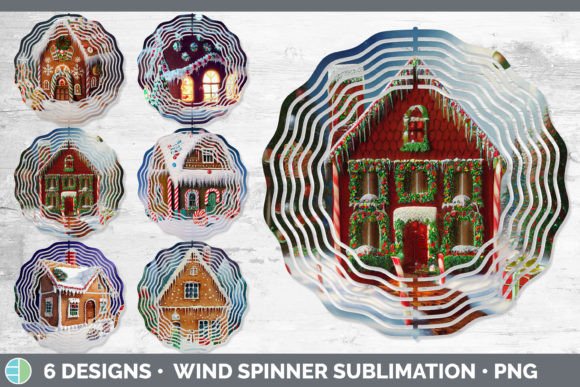
The first thing that strikes me about Gingerbread Christmas Painted Wind Spinn is its distinct visual personality. Falling under the category of Illustrations, this design moves away from the rigid, geometric precision often found in traditional holiday motifs and leans into a softer, hand-painted aesthetic. The layout suggests movement, capturing the whimsical nature of a wind spinner without actually needing the breeze to make it feel alive. For an embroidery project, this fluidity is both a blessing and a challenge. It creates a mood that is nostalgic and warm, perfect for those seeking a less commercial, more artisanal look for their holiday collections.
When evaluating the detail level, I noticed a balanced approach to complexity. It avoids the trap of over-detailing, which can be disastrous for smaller hoop sizes, while still maintaining enough character to stand out as a focal point. The shapes are organic, which means the transition between color blocks needs to be handled carefully during digitizing to prevent gaps or excessive overlap. If you are an Etsy seller looking to differentiate your shop from the sea of generic red-and-green snowflakes, this design offers a unique angle that feels fresh yet familiar.
Real-World Application: From Mockup to Finished Product
To truly test the viability of this design, I imagined a specific real-life scenario: preparing a custom order for a local boutique that specializes in cozy, oversized holiday apparel. The client wanted a statement piece for a limited-run sweatshirt embroidery collection. I visualized Gingerbread Christmas Painted Wind Spinn centered on the chest of a heather-grey French terry sweatshirt. The "painted" style of the illustration complements the textured surface of the fabric beautifully, mimicking the look of a screen print while retaining the tactile richness of thread.
Beyond apparel, this design shines in home decor contexts. Imagine this stitched onto a natural linen tote bag design or a heavy-duty canvas apron for the holiday baker in your life. The illustrative quality translates well to larger surfaces where the eye can travel across the curves and swirls of the wind spinner motif. It also holds potential as a standalone embroidered patch. If applied to a denim jacket or a felt stocking, the defined edges of the design would allow for a clean merrowed or satin border, adding a professional finish that boosts the perceived value of the handmade product.
For digital product sellers creating printable mockups, the versatility here is strong. The design works equally well against light and dark backgrounds, provided you adjust the thread colors for sufficient contrast. This adaptability makes it a solid asset for building a cohesive holiday brand identity across various marketing materials.
Technical Considerations and Fabric Compatibility
However, no design is without its caveats, and practical judgment requires us to look at where Gingerbread Christmas Painted Wind Spinn might struggle. Because of its illustrative nature, which likely relies on a mix of fill stitch areas and potentially some running stitch details for texture, fabric choice is critical. On stretchy fabrics like jersey knits or thin silks, the density of the stitches could cause significant distortion if not properly stabilized. I would strongly advise using a cut-away stabilizer for these applications to ensure the design remains crisp after washing.
Curved surfaces present another challenge. If you plan to use this for baby embroidery on a onesie or for cap decoration, be mindful of the hoop size and the curvature of the item. Detailed corners and sweeping lines can sometimes pull or pucker when stitched on a highly curved plane. Testing on scrap fabric of the exact same weight and weave as your final material is non-negotiable here. You need to see how the stitch density interacts with the fabric texture before cutting into your good stock.
Furthermore, consider the end-user experience. If this design is intended for a personalized gift like a kitchen towel or a blanket that will see frequent washing, ensure that the small details are robust enough to survive agitation. Tiny lettering or extremely fine lines, if present in the illustration, might fill in over time. For items requiring heavy durability, simplifying the smallest elements or opting for a slightly larger version of the design can preserve clarity.
Enhancing Brand Value and Customer Trust
In the world of commercial embroidery and small business merchandise, the quality of your design assets directly impacts customer trust. A sloppy stitch job can ruin a reputation, but a well-executed design like Gingerbread Christmas Painted Wind Spinn can elevate a brand. When a customer receives a finished product where the threads lie flat, the colors pop, and the shape is true to the preview, it signals professionalism. This design, with its charming aesthetic, has the potential to increase buyer engagement simply because it stands out as something special rather than mass-produced.
Using this design in your craft business allows you to tap into the emotional side of holiday gifting. It feels thoughtful and curated. Whether it is adorning a pillow cover for nursery decor or serving as the centerpiece of a holiday wall hanging, the visual appeal contributes to the overall "giftability" of the item. It tells a story of warmth and tradition, which is exactly what consumers are looking for during the festive season.
Designer Notes for Successful Execution
Before you load this embroidery file into your machine, here are a few practical steps to ensure success:
- Test First: Always stitch a sample on scrap fabric that matches your final project's weight and stretch.
- Check Contrast: Review the design in black and white to ensure the tonal values separate clearly, especially if stitching on dark fabrics.
- Stabilizer Strategy: Match your stabilizer to the fabric; water-soluble might work for towels, but cut-away is safer for garments.
- Hoop Confirmation: Verify the required hoop size against your machine's capabilities and the dimensions of your product.
- Licensing Check: Since this is a digital asset, confirm the license terms regarding commercial embroidery usage before selling finished items or using it in client work.
- Thread Selection: High-quality rayon or polyester threads will best capture the "painted" gradient effects often found in illustrations.
Ultimately, Gingerbread Christmas Painted Wind Spinn is a promising addition to a holiday portfolio. It bridges the gap between digital artistry and tactile craft, offering a versatile solution for custom apparel, home goods, and decorative accents. With careful attention to fabric selection and stabilization, it can be the star of your next successful embroidery project, delivering joy to makers and recipients alike.