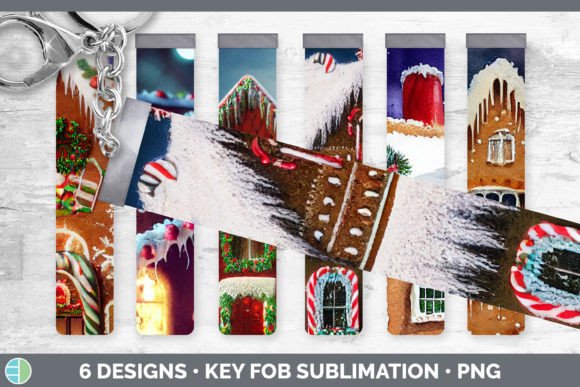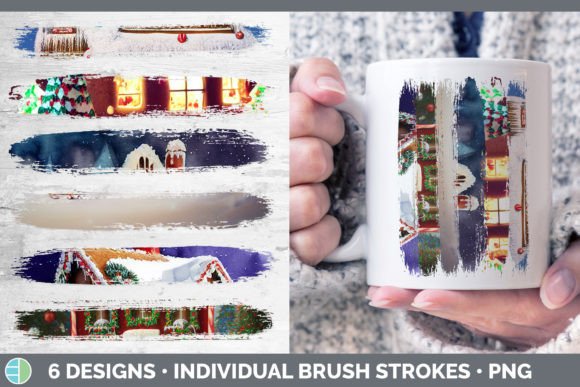
Gingerbread Christmas Brush Strokes PNG Review
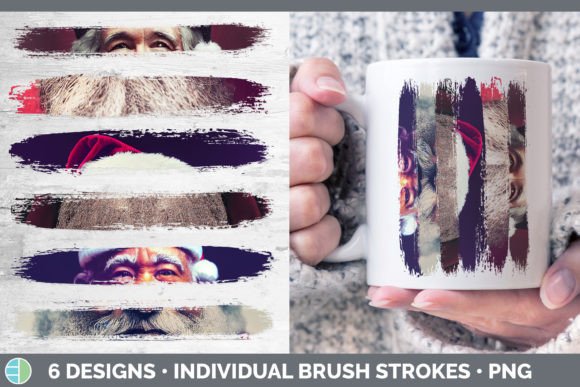
As a graphic designer who spends most of December navigating the fine line between festive charm and professional polish, I am always on the hunt for assets that feel authentic rather than generic. When I first opened the Gingerbread Christmas Brush Strokes PNG file, my immediate impression was one of warmth and tactile texture. Unlike many digital illustrations that feel flat or overly vectorized, these brush strokes carry a genuine hand-painted quality. The edges are slightly irregular, mimicking the natural flow of ink or watercolor on paper, which instantly sets a cozy, handmade mood. For a recent client project involving a boutique bakery launching a limited-edition holiday cookie box, this specific aesthetic was exactly what the brand identity needed to stand out against competitors using standard clipart.
Integrating Warmth into Brand Identity and Packaging
The primary strength of this graphic design asset lies in its versatility within packaging design and brand identity systems. In the case of my bakery client, we needed to convey "artisanal" and "homemade" without sacrificing legibility. The gingerbread tones—ranging from deep molasses browns to lighter caramel highlights—provided a sophisticated alternative to the usual bright reds and greens. We utilized these strokes as decorative accents on the side panels of the packaging, allowing them to frame the nutritional information and ingredient lists without creating visual clutter.
When working with Illustrations of this nature, it is crucial to consider how they interact with typography. These brush strokes pair exceptionally well with both serif font styles for a traditional look and handwritten font choices for a more personal touch. In our layout, we layered a crisp sans serif font over the lighter areas of the brushwork to ensure high contrast, proving that organic textures can coexist with modern, clean typography. This balance is essential for maintaining visual hierarchy, ensuring that the customer's eye is drawn to the product name first, then the decorative elements, and finally the call-to-action.
Performance Across Digital and Physical Mediums
Beyond physical packaging, I tested the Gingerbread Christmas Brush Strokes PNG across various digital platforms to gauge its performance as a digital product for marketing campaigns. For social media graphics, specifically Instagram stories and Pinterest pins, the transparency of the PNG format allowed us to overlay the strokes onto photography of the actual cookies. This created a cohesive product mockup feel that elevated the perceived value of the items. The texture added depth to flat-lay photos, making the feed look curated and professional.
For clients involved in print-on-demand or those selling Etsy products, this asset serves as a robust foundation for t-shirt design and sticker design. The resolution held up well when scaled for larger formats like tote bags, though I did note that the finest details of the brush texture might soften slightly on rough fabric textures during sublimation. However, for sublimation design on smooth surfaces like mugs or ceramic ornaments, the color fidelity remained sharp. If you are creating a Canva template for small business owners to customize, these elements act as perfect "drag-and-drop" embellishments that instantly upgrade a basic layout into something that feels bespoke.
Ideal Applications and Strategic Placement
To get the most out of this creative design tool, it is best deployed in areas where it can breathe. It excels in:
- Hero graphics for website headers during the holiday season.
- Decorative accents on invitations and greeting cards.
- Themed collections for seasonal email marketing campaigns.
- Printable designs such as gift tags and wrapping paper patterns.
- Editorial design layouts for food blogs or lifestyle magazines.
The organic shape of the strokes makes them ideal for breaking up rigid grid structures in web design or adding a human element to marketing visuals. They work particularly well when used as a background texture with reduced opacity, providing a subtle nod to the season without overpowering the main content.
Constraints and Design Considerations
While the Gingerbread Christmas Brush Strokes PNG is a powerful tool, it requires careful handling in certain contexts. Designers should exercise caution when placing these elements in crowded layouts or over complex backgrounds. The intricate texture of the brushwork can compete with detailed photography, leading to a loss of readability and visual trust. Furthermore, this asset is likely unsuitable for minimalist branding projects that rely on stark geometry and ultra-clean lines, as the organic nature of the strokes may clash with a strict corporate aesthetic.
Another critical factor is size. When scaled down too small, such as in a favicon or a tiny footer icon, the delicate variations in the brush stroke may disappear, turning into a muddy blob. Therefore, it is not recommended for small sizes where detail retention is paramount. Additionally, for projects requiring very specific Pantone matches for large-scale offset printing, designers must verify the color profile of the PNG against their printer's capabilities, as screen colors can sometimes shift in production.
Pr Designer Notes for Commercial Use
Before integrating this asset into a final client deliverable, I recommend a rigorous testing phase. First, test it in black and white. Even though the gingerbread tones are beautiful, seeing how the asset performs in grayscale ensures it maintains its form and contrast if the client ever needs a monochromatic version for newspaper ads or faxed documents. Second, check contrast on light and dark backgrounds. While the PNG includes transparency, the specific shade of brown might vanish against a dark chocolate background, necessitating a drop shadow or a lightened variant.
It is also vital to preview it at small and large sizes on actual devices, not just in your design software. What looks crisp on a 27-inch monitor might look pixelated on a mobile screen if the resolution isn't sufficient. Always place it on real mockups to see how the lighting and shadows in the scene interact with the digital texture. If you are using this for a Cricut project or vinyl cutting, remember that PNGs are raster images; you may need to trace them into an SVG design or vector format to ensure clean cut lines, unless the provider offers a vector version alongside the PNG.
Finally, always confirm commercial licensing before using any design bundle or individual asset for a paying client. Ensure the license covers commercial design use, especially if the end product will be sold physically or digitally. By treating these design assets with professional scrutiny, you ensure that the final result not only looks festive but also upholds the standards of modern design and strengthens the small business branding of your clients.