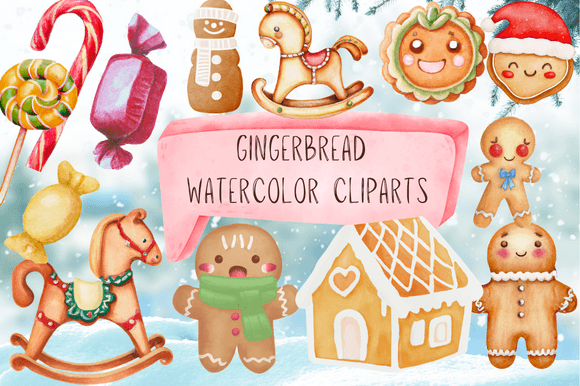
Review: Watercolor Christmas Gingerbread Clipart for Stitching
As a designer who spends more time staring at stitch simulations than actual holiday decorations, I approach new Illustrations with a critical eye. When I first opened the Watercolor Christmas Gingerbread Clipart, my immediate reaction wasn't just about how cute it looked on the screen; it was about how those soft, bleeding edges would translate into thread. There is a distinct difference between a graphic meant for print and a design intended for a machine embroidery design. This review breaks down how this specific asset holds up when moved from a digital embroidery file to a tangible, stitched reality.
The Aesthetic Challenge: Soft Edges vs. Hard Thread
The primary appeal of the Watercolor Christmas Gingerbread Clipart lies in its mood. It captures that nostalgic, hand-painted feel that is currently dominating boutique holiday trends. However, translating a watercolor aesthetic into embroidery is notoriously tricky. Watercolors rely on gradients and undefined boundaries, whereas embroidery relies on defined paths and stitch density.
In my initial assessment, the shape and layout of this gingerbread figure suggest it is best suited for projects where a slightly rustic or artistic look is acceptable. If you are looking for razor-sharp, vector-perfect lines, this might not be the right fit. But for a handmade product that needs to feel warm and inviting, the visual personality here is spot on. The design avoids overly complex tiny details that often turn into bird's nests under the needle, which is a huge plus for production speed.
Real-World Application: The Holiday Tote Bag Test
To truly evaluate this design, I imagined a specific real-life scenario: preparing a run of custom embroidered tote bags for a local bakery's holiday gift set. The goal was to create a tote bag design that felt premium but approachable. Using the Watercolor Christmas Gingerbread Clipart on a natural canvas fabric created an instant "craft fair" charm that resonates well with customers looking for unique items.
For this application, the design worked beautifully as a central focal point. The gingerbread motif, with its implied texture, added depth to the flat canvas. Had I used a standard, flat-color clipart, the result might have looked too industrial. Instead, the watercolor style suggested a personalized gift rather than mass-produced merchandise. This distinction is crucial for Etsy sellers and small shop product creators who need to justify higher price points through perceived value and artistic effort.
Versatility Across Different Products
Beyond tote bags, this design shows promise across a wide range of custom apparel and home goods. Here is how I see it performing in various contexts:
- Sweatshirt Embroidery: On a fleece or French terry crewneck, the soft edges of the watercolor style blend naturally with the textured fabric texture. It feels like part of the garment rather than a sticker sitting on top.
- Baby Embroidery: For onesies or bibs, the whimsical nature of the gingerbread character is perfect. However, one must be cautious with stitch density to ensure the finished product remains soft against sensitive skin.
- Kitchen Textiles: As a holiday embroidery accent on tea towels or aprons, the theme is obvious and festive. It works particularly well when paired with simple running stitches for borders.
- Embroidered Patch: If digitized with a merrow edge or satin border, this could make a fantastic iron-on patch, adding versatility to the design assets library.
Critical Considerations for Execution
While the artistic potential is high, there are technical hurdles to clear before committing to a full production run. The "watercolor" effect often implies subtle color shifts. In embroidery, we are limited by the number of thread colors we can practically use without increasing trim times and frustration. You may need to simplify the color palette of the original Watercolor Christmas Gingerbread Clipart to make it viable for stitching.
Furthermore, placement matters. This design likely requires a medium to large hoop size to capture the nuance of the illustration. Trying to shrink it down for a pocket logo on a cap or a small corner detail on a collar could result in lost definition. The fine gradients might merge into a solid blob if the resolution isn't maintained during the digitizing process.
Special attention must be paid to stabilizer selection. Because watercolor styles often mimic a painted look, they may utilize varied fill patterns. On stretchy fabrics like jersey knits or performance wear, inadequate stabilization will cause the design to pucker, ruining the soft aesthetic. Always test on scrap fabric that matches your final material exactly.
Commercial Viability and Brand Consistency
For commercial embroidery professionals and creative entrepreneurs, the consistency of the output is key to brand trust. Does the Watercolor Christmas Gingerbread Clipart look professional after washing? A common issue with dense, artistic designs is that they can become stiff. If you are selling finished product items like baby clothes or wearable apparel, the hand-feel is just as important as the visual appeal.
I recommend creating printable mockup files to show clients how the design will look before stitching begins. This manages expectations regarding color vibrancy and detail level. Additionally, verify the licensing terms associated with these Illustrations. Just because a file is available for download does not automatically grant rights for unlimited craft business use. Confirm whether you can sell the physical stitched item or if the license restricts you to personal use only.
Final Verdict for Designers
The Watercolor Christmas Gingerbread Clipart is a strong contender for holiday collections, provided it is handled with technical care. It excels in creating an emotional connection with the viewer, offering a cozy, artisanal vibe that stands out in a sea of generic holiday graphics. It is ideal for holiday gifts, boutique branding, and items where character trumps precision.
Before diving in, remember these practical steps:
- Digitize with care, ensuring the transition between satin stitch outlines and fill stitch areas mimics the watercolor bleed without becoming messy.
- Test the design in black and white first to check for contrast issues; sometimes the subtle tones of watercolor disappear when converted to thread.
- Compare the design on both light and dark fabric backgrounds to ensure visibility.
- Check the specific file formats provided to ensure compatibility with your embroidery machines.
Ultimately, this design asset offers a wonderful opportunity to elevate your embroidery project portfolio. By respecting the limitations of the medium while leveraging the artistic strengths of the source image, you can create stunning, marketable pieces that customers will love to give and receive.