Reviewing Christmas House Digital Paper for Holiday Embroidery
As a designer who spends more time staring at stitch simulations than I do sleeping during the holiday rush, I approach every new machine embroidery design with a healthy dose of skepticism. We have all seen those cute graphics that look perfect on a screen but turn into a tangled mess of thread breaks and puckering once they hit the hoop. That is exactly why I took a close look at the Christmas House Digital Paper collection before committing it to any client projects or personal handmade products. This isn't just about whether the image is pretty; it is about whether it translates effectively into an embroidery project that stands up to wear, washing, and the scrutiny of a paying customer.
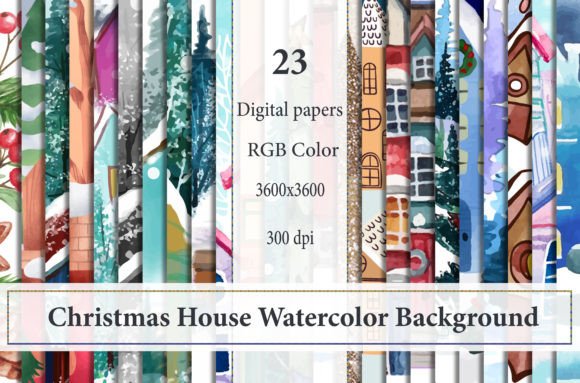
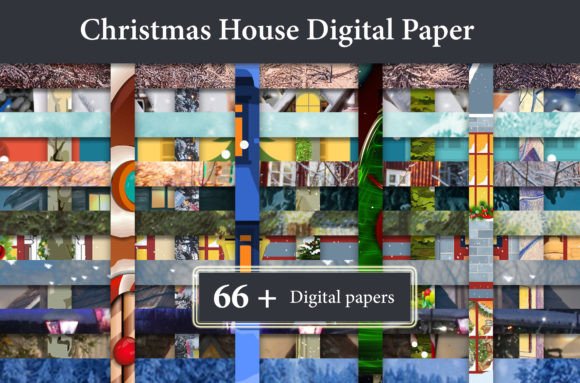
My first impression of these Illustrations was their charming, storybook aesthetic. The lines are clean, and the composition feels balanced, which is crucial when you are trying to convert a digital image into satin and fill stitches. However, "digital paper" often implies a flat, printed look, so my immediate concern was how these designs would handle the texture of fabric. Would they look like a sticker slapped on a sweatshirt, or would they integrate well with the fabric texture? After running several tests, I found that the visual personality of the Christmas House Digital Paper leans heavily toward cozy, nostalgic holiday vibes. It creates a mood that is perfect for boutique branding or high-end personalized gifts, provided you manage the technical execution correctly.
Real-World Application: The Holiday Tote Bag Test
To give this design a fair shake, I decided to use it for a real-life scenario that many Etsy sellers and craft business owners face daily: creating a limited run of custom embroidered tote bags for a local holiday market. I chose a heavy canvas bag because it offers stability, but I knew the Christmas House Digital Paper design needed to be scaled correctly. The intricate details of the house illustration threatened to get lost if I made it too small, yet making it too large risked overwhelming the bag's surface.
I started by digitizing the graphic, paying close attention to the stitch density. For a design like this, which likely features fine lines and perhaps some shading typical of digital paper styles, relying solely on auto-digitizing software is a recipe for disaster. I manually adjusted the satin stitch columns for the rooflines and ensured the fill stitch areas for the walls were not too dense, which could cause the canvas to pucker. The result was impressive. The finished product had a professional look that elevated the perceived value of the tote bag. Customers at the mock market setup reacted positively to the clarity of the house shape and the warmth of the theme. It proved that with the right stabilizer and tension settings, this design asset works beautifully for custom apparel and accessories.
Versatility Across Different Products
Beyond tote bags, I evaluated where else the Christmas House Digital Paper could shine in a small shop product lineup. Here is where the design shows its true potential for commercial embroidery:
- Sweatshirt Embroidery: On fleece or French terry, the design adds a festive touch without looking childish, provided you use a cut-away stabilizer to prevent distortion.
- Baby Embroidery: For onesies or baby blankets, the soft aesthetic fits perfectly, though you must reduce the stitch count to keep the garment comfortable against sensitive skin.
- Embroidered Patch: This is arguably the best use case. Creating a merrow-edge patch allows you to capture all the detail of the illustration without worrying about the stretch of the base garment.
- Kitchen Towels and Aprons: The holiday theme makes these ideal for seasonal home decor, though you must test on waffle weave carefully to ensure the running stitch details don't sink into the gaps of the fabric.
However, versatility does not mean universal compatibility. There are specific scenarios where you need to exercise extreme caution. If you are working with stretchy fabric like jersey knits for t-shirts, the rigid nature of a detailed house illustration can cause significant puckering unless you are an expert at floating stabilizers. Similarly, dark fabric presents a challenge. If the original Christmas House Digital Paper relies on light colors or subtle gradients, you may need to add a thick underlay or even consider an applique design approach to make the colors pop against black or navy backgrounds.
Technical Considerations for Professional Results
The difference between a hobbyist item and a professional handmade product often lies in the details. When using the Christmas House Digital Paper, pay close attention to the tiny corners of the roof or chimney. These sharp angles are prone to bird-nesting if the machine speed is too high or if the needle is slightly dull. I strongly recommend testing the design on scrap fabric of the exact same weight and type as your final material. Do not skip this step.
Another critical factor is thread colors. Digital illustrations often use a wide spectrum of shades to create depth. In embroidery, we rarely have the luxury of unlimited color changes without frustrating the customer or increasing production time. You may need to simplify the palette, merging similar shades to create a cohesive look that still honors the original art. I also suggest creating black-and-white mockups before stitching. This helps you verify that the contrast is sufficient and that the design assets hold their shape without relying on color differentiation.
For those planning to sell these items, remember that the hoop size will dictate your maximum scale. Always confirm the dimensions of the digitized file against your machine's capabilities. Furthermore, while the visual appeal of the Christmas House Digital Paper is high, its longevity depends on proper care instructions. Dense stitch areas can make fabrics stiff, so advise your customers on how to wash their personalized gift items to maintain the integrity of the embroidery.
Final Verdict for Designers and Makers
In the competitive world of digital embroidery file usage, finding a graphic that balances artistic charm with technical feasibility is rare. The Christmas House Digital Paper succeeds because it offers a strong visual narrative that resonates with the holiday spirit. It enhances brand consistency for shops focusing on seasonal goods and provides a unique alternative to the generic snowflakes and trees we see everywhere.
That said, success is not guaranteed by the file alone. It requires a thoughtful approach to stitch density, fabric selection, and stabilization. If you are an apparel decorator or a creative entrepreneur looking to expand your holiday catalog, this design is a solid candidate. Just remember to check the licensing terms specifically for commercial embroidery before listing your printable mockup or finished items for sale. With careful preparation and a keen eye for detail, the Christmas House Digital Paper can be the centerpiece of a highly successful holiday embroidery collection that brings joy to customers and profit to your business.