Review: Christmas Illustration Pack for Holiday Embroidery
As a designer who spends more time staring at stitch simulations than actual holiday lights, I approach seasonal collections with a mix of excitement and skepticism. The market is flooded with generic snowflakes and blocky Santa faces every November, so when I opened the Christmas Illustration Pack, my first goal was to determine if these files offered something distinct enough to justify using them in client work. After spending the afternoon digitizing a few test runs on scrap fabric, I can say this collection leans heavily into a whimsical, storybook aesthetic that feels far more curated than your average stock library find.
First Impressions and Visual Personality
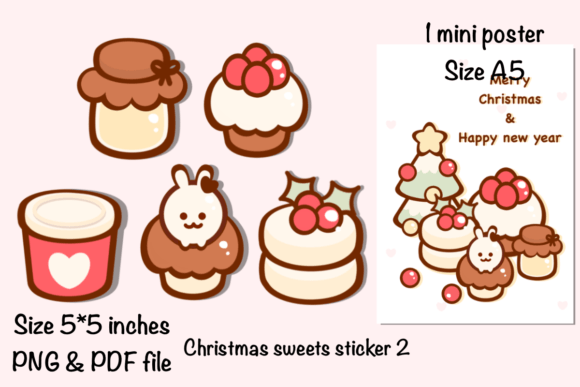
The immediate standout feature of this pack is its mood. Unlike many machine embroidery design sets that rely on heavy saturation and rigid outlines, these illustrations possess a softer, hand-drawn quality. The layout of the elements suggests they were created with traditional media in mind before being converted into an embroidery file. This gives them a charming imperfection that works beautifully for boutique branding. Whether you are looking at a cozy winter village scene or a playful reindeer motif, the visual personality screams "handmade" before the needle even hits the fabric.
For Etsy sellers and creative entrepreneurs, this distinction is vital. Customers today are savvy; they can spot a clip-art conversion from a mile away. These designs feel intentional. The line weights vary naturally, suggesting a mix of running stitch for fine details and lighter fill stitch areas that allow the fabric texture to breathe. This approach prevents the "cardboard cutout" look that often plagues dense holiday designs.
Real-World Application: The Tote Bag Test
To truly gauge the viability of the Christmas Illustration Pack, I decided to simulate a real project scenario: a custom embroidered tote bag for a local bakery's holiday gift set. Tote bags are tricky; they require designs that hold up under tension without distorting, and they need to look good on canvas or cotton twill, which can be unforgiving with low-resolution digitizing.
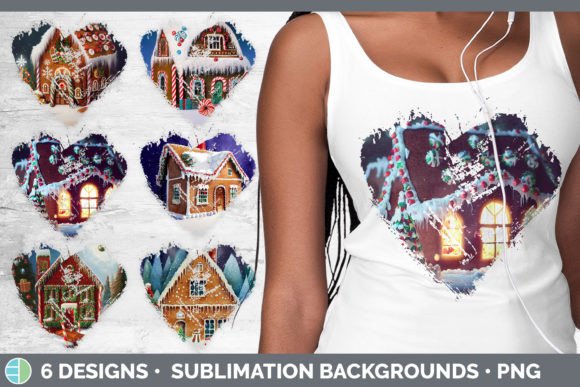
I selected a whimsical gingerbread house illustration from the pack. On the screen, the details looked crisp. However, in the hoop, the reality of stitch density came into play. Because the design relies on an illustrative style rather than solid blocks of color, it translated surprisingly well to the textured surface of the canvas. The thread colors recommended in the sequence provided excellent contrast against the natural beige fabric. Had this been a standard satin stitch heavy design, the thick columns might have caused the canvas to pucker, but the varied stitch types in this pack allowed for a flatter, more professional finish.
This specific use case highlighted how versatile the pack is for small shop products. It's not just for decoration; it serves as a branding asset. A bakery could easily swap out the text element (if editable) or pair the illustration with their logo to create high-value personalized gifts that elevate their perceived brand value.
Navigating Fabric Challenges and Hoop Limits
While the aesthetic is strong, practical application requires caution. Not every piece in the Christmas Illustration Pack is suitable for every substrate. If you are planning sweatshirt embroidery on fleece or French terry, you must be mindful of the finer details. Fuzzy fabrics can swallow small running stitch elements, making intricate parts of the illustration disappear. In my testing, I found that the larger motifs worked perfectly on a heavyweight hoodie, but the smaller, delicate icons needed a bit of manual adjustment or a switch to a smoother fabric like a cotton blend.
Similarly, curved surfaces present a challenge. Attempting to place one of the wider landscape-style illustrations on a structured cap would likely result in registration issues unless the design is significantly scaled down or split. For baby embroidery, where softness is paramount, I recommend checking the back of the stitching. Some of the denser fill areas might require a soft cut-away stabilizer to prevent scratchiness against sensitive skin, even if the front looks pristine.
It is also crucial to verify the hoop size requirements before committing to a project. Several of the panoramic scenes in this collection are quite wide. If you are working with a standard 4x4 hoop on a home machine, you may need to utilize a split-stitch technique or choose the smaller, isolated elements instead. Always check the specific dimensions provided with the digital embroidery file to avoid mid-project frustration.
Commercial Viability and Brand Consistency
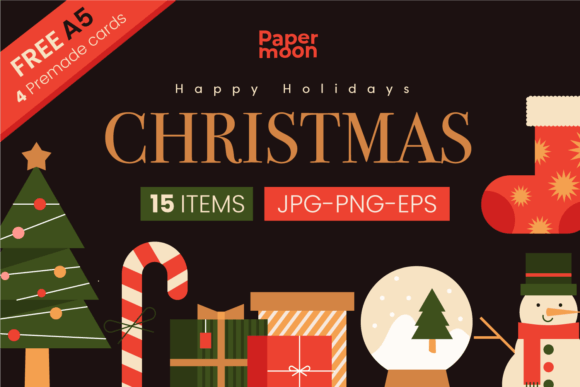
For those running a craft business, consistency is key. One of the strengths of the Christmas Illustration Pack is the cohesive visual language across all the assets. You can create a printable mockup for an online listing featuring a pillow cover, a tea towel, and an apron, and they will all look like they belong to the same collection. This cohesiveness builds customer trust and encourages larger basket sizes.
However, before listing these as commercial embroidery assets or selling finished goods, you must review the licensing terms thoroughly. Some designers allow unlimited physical sales but restrict digital redistribution. Ensure you understand whether you can sell the stitched finished product on platforms like Etsy or if there are limitations on the number of units. Never assume; always read the fine print included with the download.
Designer Notes for Best Results
To get the most out of these designs, I suggest following a few practical steps before cutting into your good fabric:
- Test on Scraps First: Always stitch a sample on the exact fabric type you intend to use. What looks good on poly-cotton might behave differently on linen.
- Check Contrast: View your design in black and white on your screen. If the details vanish in grayscale, they might get lost on dark fabrics.
- Stabilizer Selection: Match your stabilizer to the fabric weight. Heavier knits need robust support to prevent distortion during washing.
- Thread Quality: Use high-sheen rayon or matte polyester threads to enhance the illustrative quality; cheap thread can flatten the visual depth of these designs.
- Wash Testing: Since these are holiday items, they may be stored for months. Wash and dry your test patch to ensure the stitches don't loosen or fray over time.
In conclusion, the Christmas Illustration Pack offers a refreshing departure from cliché holiday graphics. It provides a solid foundation for custom apparel, home decor, and boutique merchandise, provided the user respects the technical limitations of their chosen fabric and machine. With careful preparation and an eye for detail, these design assets can help you create memorable holiday embroidery projects that stand out in a crowded marketplace.