Review: Christmas Holly Mask Sublimation Bundle for Embroidery
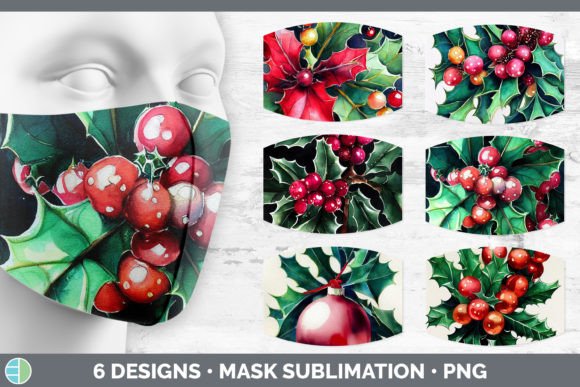
As a designer who spends more time staring at stitch maps than most people spend watching TV, I approach every new digital embroidery file with a mix of curiosity and skepticism. When I first opened the Christmas Holly Mask Sublimation Bundl, my initial reaction wasn't to rush to the machine, but to analyze the visual weight and potential translation from screen to thread. This isn't just another holiday graphic; it is a specific aesthetic choice that blends traditional botanical motifs with a modern, slightly edgy mask silhouette. For those of us running a craft business or selling on Etsy, understanding how an Illustrations-based concept translates into a tangible handmade product is the difference between a best-seller and a return request.
First Impressions: Mood and Visual Personality
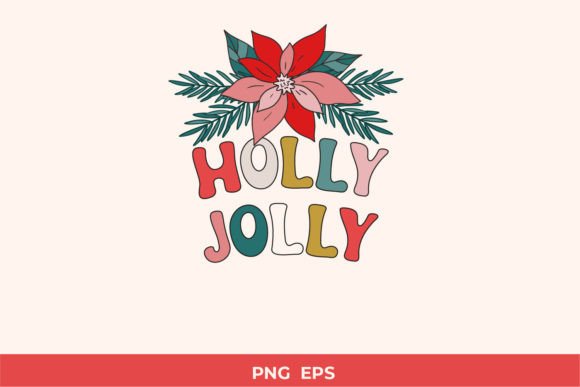
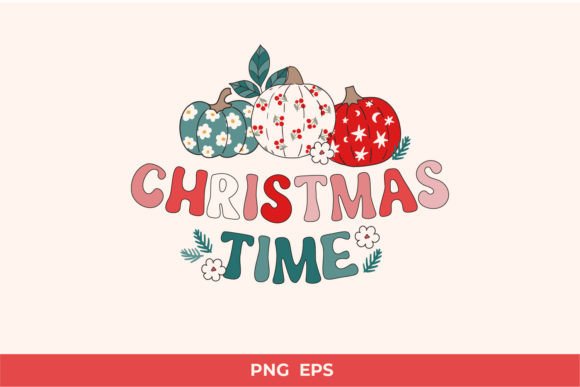
The immediate vibe of this design is festive yet mysterious. The holly elements bring the expected warmth of the season, but the mask component adds a layer of intrigue that sets it apart from standard snowflake or reindeer motifs. In terms of layout, the composition feels balanced, suggesting that the original artist understood negative space—a critical factor when converting complex art into a machine embroidery design. The details appear sharp enough to hold up under magnification, which is promising for clarity. However, because this originates as a sublimation bundle, my brain immediately starts deconstructing how these gradients and fine lines will behave when forced into satin stitch, fill stitch, or running stitch formats. It feels like a design that belongs on something meant to be seen up close, rather than a distant banner.
Real-World Application: The Holiday Tote Scenario
To truly evaluate the Christmas Holly Mask Sublimation Bundl, I imagined a specific client project: a custom order for a boutique coffee shop needing branded tote bag design options for their December loyalty program. They wanted something unique, not the usual "Merry Christmas" text. This design fits that brief perfectly. Picture a heavy canvas tote in a deep forest green or natural oatmeal color. The holly provides the seasonal hook, while the mask offers a conversation starter.
If I were stitching this as an embroidered patch to sew onto the bag, the density would need to be high enough to prevent the canvas weave from showing through, but not so dense that the fabric puckers. For a direct-to-garment approach on a sweatshirt embroidery project, the design's flow would look excellent centered on the chest of a heavyweight fleece. The visual appeal here drives buyer engagement; it signals that the small shop product is thoughtful and curated, increasing the perceived value of the item. Customers are more likely to trust a brand that uses distinctive, well-executed art rather than generic clipart.
Navigating Fabric Textures and Hoop Constraints
While the design is striking, practical execution requires caution. Not every surface is ready for this level of detail. If you are planning to use this on stretchy fabric like a thin jersey t-shirt, you must be vigilant about stabilization. The intricate lines of the mask could distort if the fabric shifts during stitching. Similarly, on textured fabrics like waffle knit or heavy towels, the finer details of the holly leaves might get lost or appear jagged if the stitch density isn't adjusted correctly.
One major consideration is the hoop size. Depending on how the files in the bundle are scaled, you might find yourself working near the limits of a standard 4x4 hoop. If the design includes tiny lettering or extremely fine corners, shrinking it down for a baby embroidery project on a onesie could result in a muddy mess where individual stitches merge. I always recommend testing the design on scrap fabric of the same weight and texture as your final finished product before committing to the client's garment. This is especially true for dark fabric; you may need to adjust thread colors to ensure the contrast pops, perhaps using a metallic gold or bright red to make the holly stand out against a navy background.
Technical Considerations for Commercial Use
For the Etsy seller or apparel decorator looking to scale, the versatility of this design is a double-edged sword. It works beautifully on flat surfaces like pillow covers or kitchen towel sets, where the stability of the fabric allows for precise stitching. However, applying it to curved surfaces like caps requires a different mindset. The curvature can compress the design, potentially making the mask look distorted. In such cases, simplifying the underlay or adjusting the pull compensation is essential.
Furthermore, when considering this for commercial embroidery projects, think about durability. Items like aprons or frequently washed custom apparel need robust stitching. If the design relies heavily on long satin runs without proper tacking, frequent washing could lead to fraying. It is crucial to inspect the digitizing quality—if the bundle provides pre-digitized files, check the stitch sequence. If it is purely an image file intended for you to digitize, pay close attention to how you handle the transitions between the holly berries and the mask edges to ensure stitching clarity.
Final Verdict on Value and Presentation
Ultimately, the Christmas Holly Mask Sublimation Bundl offers a strong foundation for creating high-value personalized gift items and boutique merchandise. Its strength lies in its ability to elevate a simple garment into a statement piece. When executed with the right stabilizer and thread choices, it enhances brand consistency and professionalism. Whether you are creating a printable mockup for your online store or stitching a one-off holiday gift, this design has the visual personality to capture attention.
However, success depends on the maker's diligence. Do not assume the file is ready for every scenario out of the box. Test your tension, verify your thread colors against your fabric swatches, and confirm the licensing terms if you plan to sell the design assets or finished goods. By treating this embroidery project with the technical respect it demands, you can transform a digital illustration into a cherished physical object that customers will love to display and wear.