Merry Christmas Balls Svg: A Designer's Stitch Review
As a designer who spends more time staring at stitch simulations than most people spend watching television, I approach every new digital embroidery file with a healthy dose of skepticism. We have all been there: you download a cute graphic, load it into your software, and realize halfway through the stitching process that the density is all wrong or the details are too fine for the fabric you chose. That is why I took a close look at the Merry Christmas Balls Svg from the Illustrations category before committing it to a real-world project. This isn't just about whether it looks good on a screen; it is about how it performs under the needle when you are trying to meet a deadline for a holiday order.
First Impressions and Visual Personality
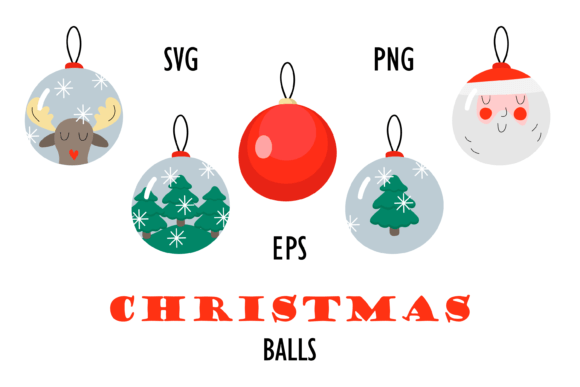
The first thing that strikes me about this design is its playful yet classic vibe. The layout feels balanced, avoiding the cluttered look that often plagues holiday graphics. When I loaded the file to inspect the pathing, the flow seemed logical, which usually translates to fewer thread breaks and cleaner jumps in the final finished product. The shapes of the ornaments suggest a mix of potential techniques. Depending on how you configure your machine settings, these could work beautifully as a solid fill stitch application or be adapted into a charming applique design if you want to introduce different fabric textures.
The visual personality here is versatile. It doesn't scream "novelty item" so loudly that it limits your market. Instead, it feels like something that could sit comfortably on a boutique shelf or be part of a high-end custom gift set. For an Etsy seller or small shop owner, this distinction is crucial. You want a design that elevates your brand rather than making your items look like mass-produced dollar store goods. The clean lines and distinct separation between elements give it a professional edge that appeals to buyers looking for quality handmade goods.
Real-World Application: The Holiday Tote Scenario
To truly test the viability of the Merry Christmas Balls Svg, I imagined a specific real-life scenario: producing a run of custom canvas tote bags for a local boutique's holiday promotion. This is a common request for many of us in the craft business. Canvas is a sturdy fabric, but it has a distinct weave that can swallow up tiny details if the stitch density isn't managed correctly.
In this context, the design shines. The ornament shapes are substantial enough to hold their form without getting lost in the fabric texture. If I were executing this as a sweatshirt embroidery project, the design's scale would likely need to be increased slightly to accommodate the loft of fleece or French terry, but the core geometry holds up well. For a tote bag design, I would lean towards using bright, contrasting thread colors to make the ornaments pop against a natural or dark canvas background. The result would be a festive accessory that customers actually want to carry, rather than hide in the back of a closet.
This same logic applies to baby embroidery. If scaled down appropriately and stitched with soft threads on a onesie or bib, the rounded shapes of the balls are gentle and appealing. There are no sharp, aggressive angles that might feel out of place on infant wear. However, one must always be cautious with small hoop sizes. If you are working on a cap or a sock, you need to verify that the intricate parts of the SVG do not get compromised by the curvature of the item or the limited stitching area.
Technical Considerations for Professional Results
While the aesthetic is strong, a professional reviewer must address the technical hurdles. One area requiring careful attention is the interaction between the design and stretchy fabric. If you plan to use this on a fitted t-shirt or leggings, the density of the fill stitches could cause puckering if the proper stabilizer is not used. I always recommend testing on scrap fabric first. Cut a piece of the exact material you intend to use, hoop it with your chosen stabilizer, and run a sample. This simple step saves hours of unpicking later.
Another critical factor is fabric texture. On thick towels or textured blankets, a standard running stitch outline might get lost. In such cases, converting parts of the design to a wider satin column or adding a tack-down stitch for applique could improve visibility. Conversely, on smooth, high-thread-count shirts, the default settings might be too dense, leading to a stiff hand feel. Adjusting the pull compensation and density in your embroidery software is often necessary to ensure the custom apparel remains comfortable to wear.
Dark fabrics present their own challenge. If you are stitching white or light-colored ornaments onto a navy or black garment, you must ensure there is adequate underlay. Without it, the base fabric can peek through the stitches, ruining the crispness of the image. A quick black-and-white mockup in your digitizing software can reveal contrast issues before you ever thread the needle.
Commercial Viability and Brand Consistency
For those of us running a craft business, the value of a design extends beyond its look; it is about what it says about our brand. Using the Merry Christmas Balls Svg consistently across different products—like matching pillow covers and kitchen towels—can create a cohesive holiday collection. This consistency builds customer trust. When a buyer sees that your embroidered patch or hat features clean, well-executed stitches, they associate that quality with your entire shop.
However, before listing items for sale, you must confirm the licensing terms. Just because a file is available does not automatically grant commercial rights. Check the specific license associated with the design assets to ensure you are allowed to sell physical finished items or digital derivatives. Nothing hurts a small business reputation faster than a copyright dispute. Additionally, if you are creating printable mockups for your online listings, ensure the digital representation matches the reality of the stitched item to avoid customer disappointment.
Final Verdict and Designer Notes
The Merry Christmas Balls Svg is a solid contender for your holiday lineup. It offers enough flexibility to work on various substrates, from rigid patches to soft blankets, provided you respect the technical requirements of each material. It avoids the trap of being overly trendy, giving it a shelf life that extends beyond a single season.
Before you start production, keep these practical notes in mind:
- Always test the design on a scrap piece of your actual production fabric to check for puckering or registration issues.
- Review the stitch count and density; reduce it for stretchy knits and increase underlay for coarse fabrics.
- Verify the hoop size compatibility with your specific machine model to avoid re-hooping mid-design.
- Experiment with thread sheens; a matte thread might look more vintage, while rayon adds a festive sparkle suitable for ornaments.
- Double-check the license agreement regarding commercial use, especially if selling on platforms like Etsy or at craft fairs.
- Consider how the design looks from a distance versus up close to ensure it reads well as a personalized gift or retail product.
In the end, successful embroidery is about blending artistic vision with technical precision. This design provides a great foundation, but your expertise in handling materials and machine settings will determine the final quality. Whether you are making a single personalized gift for a family member or fulfilling a bulk order for a corporate client, taking the time to prep this file correctly will result in a professional, eye-catching piece that captures the holiday spirit perfectly.